A Centre Built for Structured Autism Support
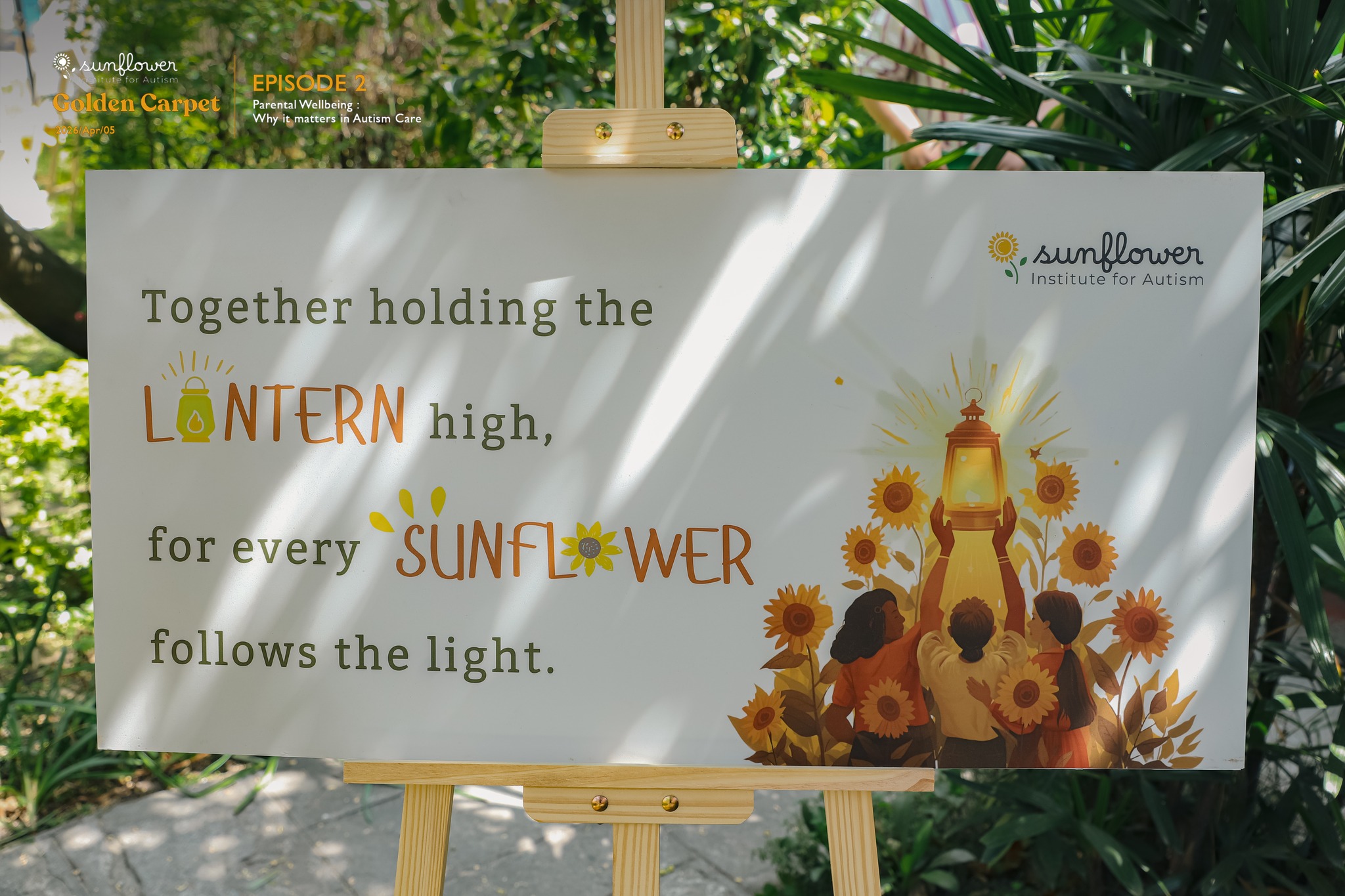
Sunflower Institute for Autism is being developed as Nepal’s standards-led Autism Excellence Centre — focused on delivering structured, evidence-informed autism care and long-term developmental support.
By integrating therapy, family guidance, professional training, and ecosystem-level systems into one connected model, we aim to create measurable outcomes and lasting clarity for families navigating autism.
Our commitment is not only to provide services, also to raise the overall standard, consistency, and continuity of autism support in Nepal.
Core Areas of Support
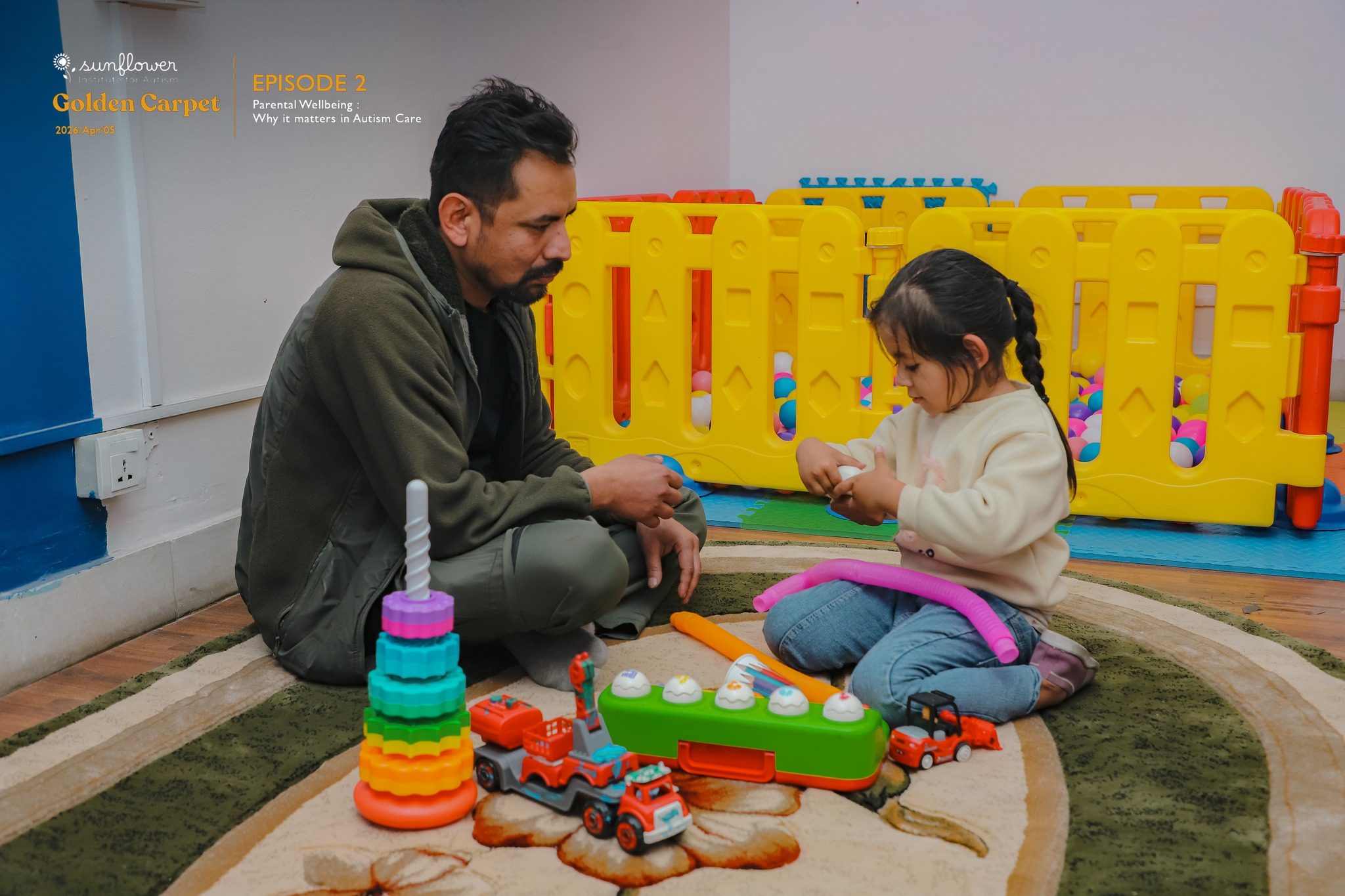
Therapy & Developmental Support
Structured autism therapy and developmental interventions focused on communication, behavior, emotional regulation, independence, and long-term progress for autistic individuals.
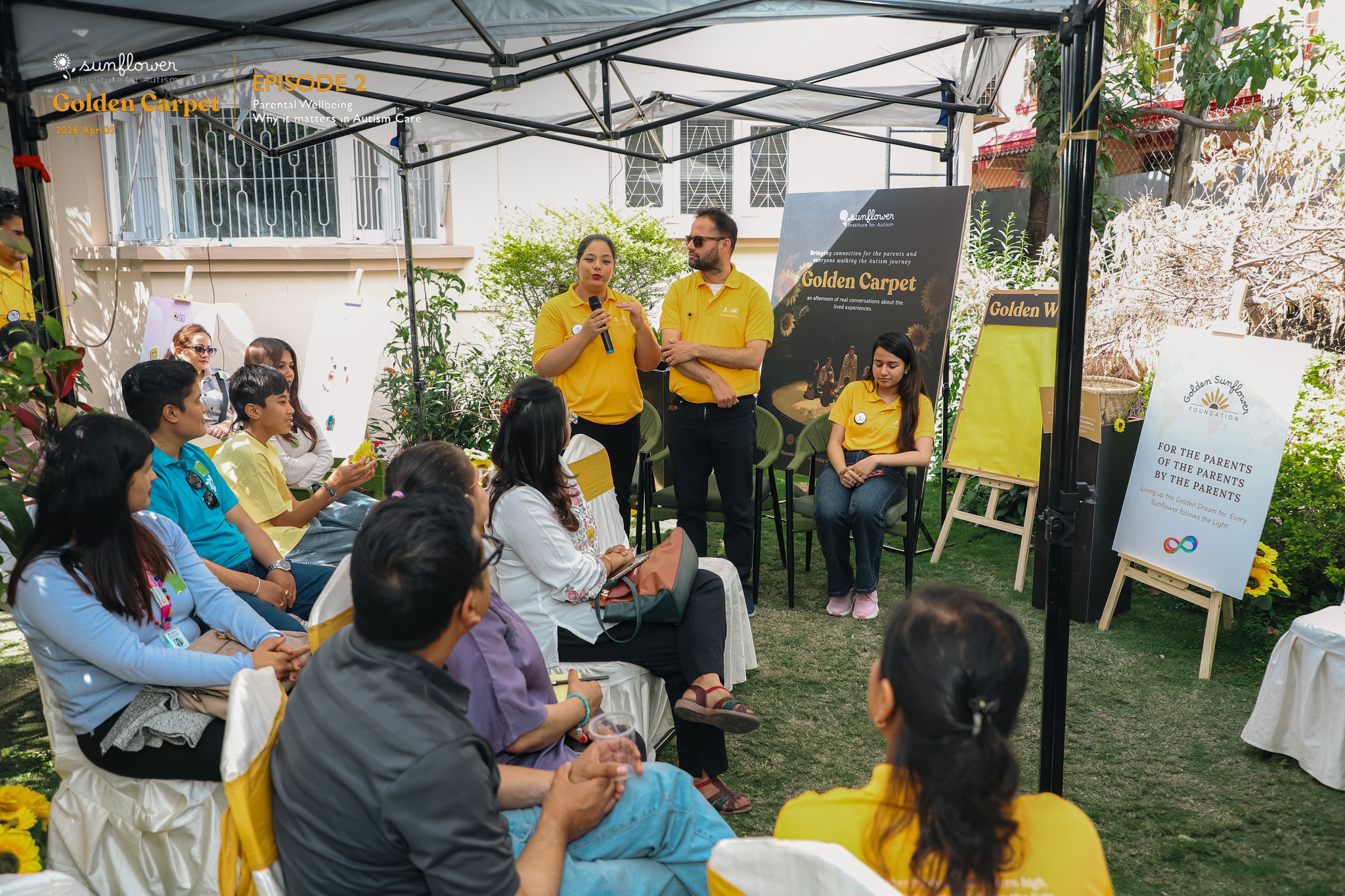
Parent & Caregiver Guidance
Practical tools, guidance, and ongoing family support designed to help parents and caregivers navigate everyday challenges with greater clarity and confidence.
School & Shadow Support
Bridging therapy and education through structured school support, shadow guidance, and inclusive learning strategies that help children participate and grow with confidence.
Professional Training
Building Nepal’s autism support ecosystem by training therapists, educators, caregivers, and professionals working in autism and developmental support.
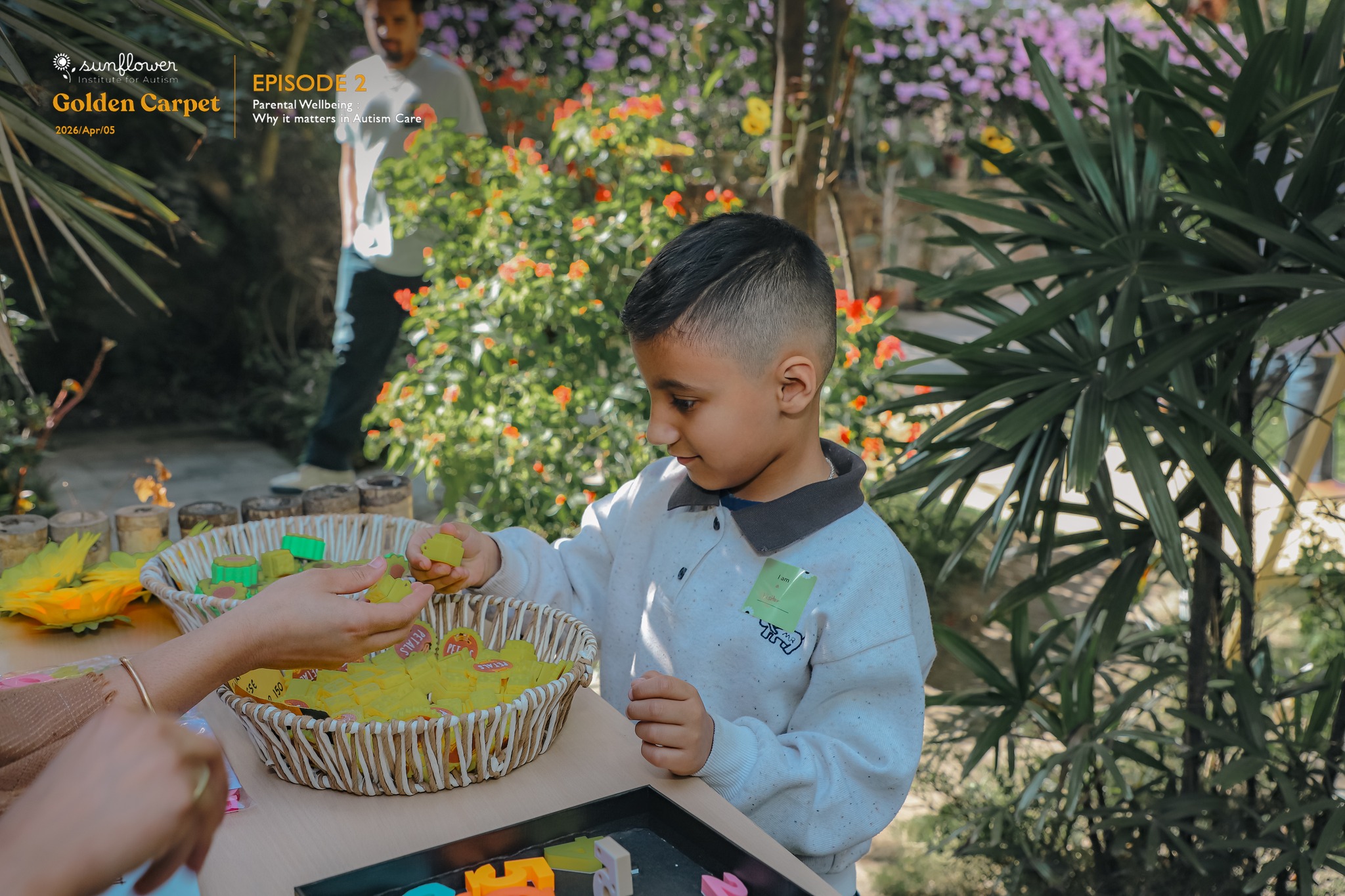
Every service is designed to work together creating connected support across therapy, home, school, and community environments.
How We Work
Our approach to autism support is guided by four core principles designed to create clarity, consistency, and meaningful progress for autistic individuals and their families.
Structured
Clear developmental pathways, defined goals, and predictable routines designed to support communication, behavior, learning, and long-term growth.
Consistent
Alignment across therapy sessions, home practices, school environments, and caregiver support to create stability and continuous progress.
Practical
Autism support designed for real-life situations — helping children and families build skills that carry into everyday routines, relationships, and environments.
Family-Centered
Parents and caregivers are active partners in the process, supported with guidance, tools, and practical strategies that continue beyond therapy sessions.